Why Does My Child Grind Their Teeth at Night?
Children often grind their teeth at night because of erupting teeth, a developing bite, stress, or sleep-breathing issues like enlarged tonsils. It affects up to 40% of kids and usually resolves on its own. See a dentist if grinding is loud, causes morning jaw pain, or shows visible tooth wear.
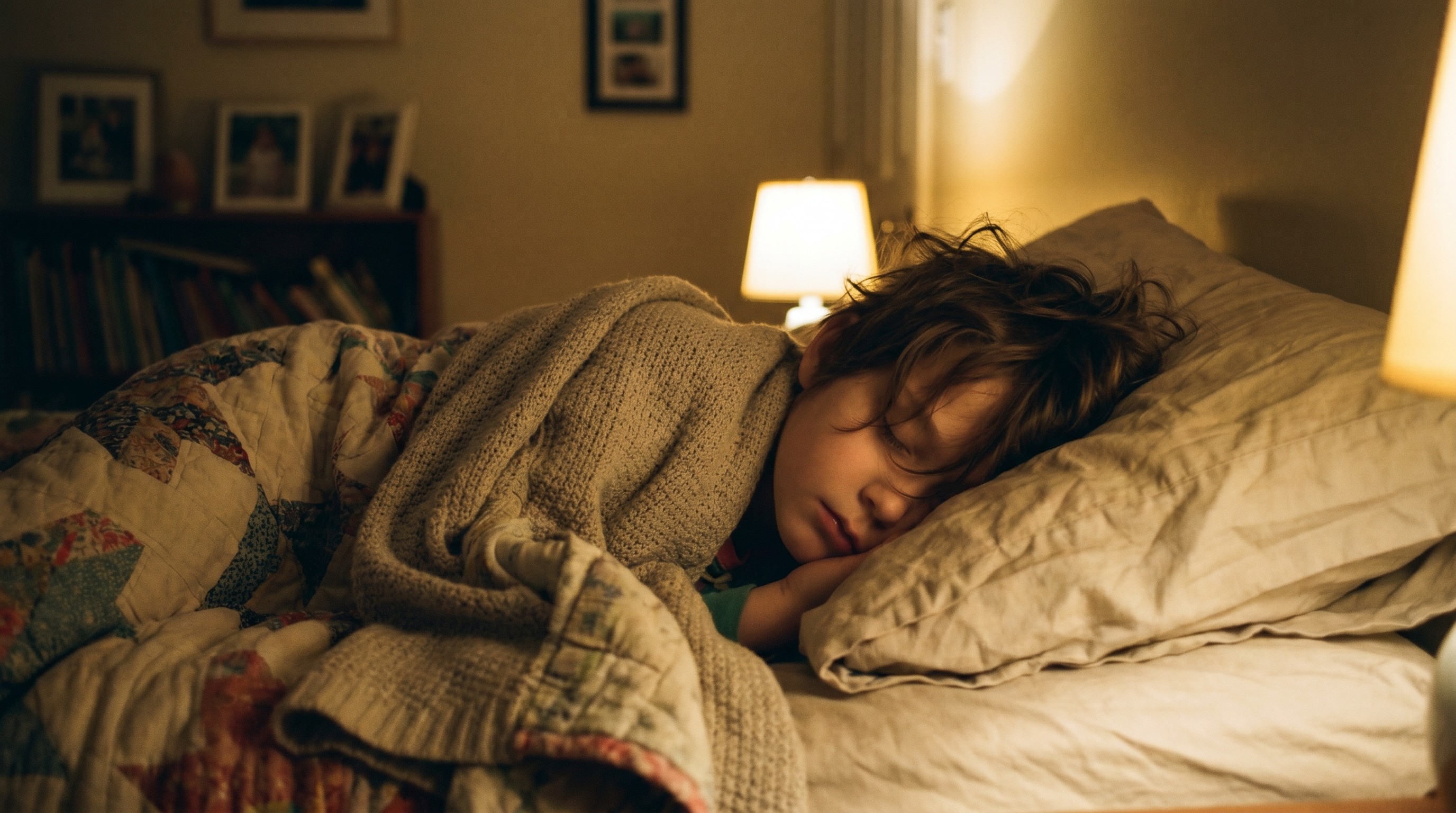
Children often grind their teeth at night because of erupting teeth, a developing bite, stress, or sleep-breathing issues like enlarged tonsils. It affects up to 40% of kids and usually resolves on its own. See a dentist if grinding is loud, causes morning jaw pain, or shows visible tooth wear.
If you've ever walked past your child's room at midnight and heard that unmistakable scraping sound, you are not alone. At La Mirada One Dental, parents bring this up at almost every family checkup. One mom from the Hillsborough neighborhood off Imperial Highway told us she thought her 5-year-old was chewing gum in his sleep. It was bruxism.
Here's what's actually going on, and when it matters.
What is bruxism, and is it common in kids?
Bruxism is the medical term for grinding or clenching teeth, most often during sleep. In children, it is incredibly common. According to the American Academy of Pediatric Dentistry (AAPD) and peer-reviewed pediatric dental research, an estimated 15 to 40 percent of children grind their teeth at some point during childhood.
The two big windows are ages 3 to 6, when baby teeth are fully in place, and again around 6 to 9, when permanent teeth start erupting. Most kids outgrow it by adolescence. No treatment needed in many cases.
That's the part most parents are relieved to hear.
Why does my child grind their teeth at night?
There is rarely one single cause. In our office, we look at the whole picture before we worry. A few of the most common reasons:
Erupting teeth or a shifting bite. When new teeth are pushing through, kids subconsciously test how they fit together. Grinding can be part of that.
Stress or anxiety. A new sibling, a move, starting kindergarten at La Mirada USD, or even a tough week of homework can trigger grinding. The AAPD recognizes stress as a contributing factor to pediatric bruxism.
Sleep-disordered breathing. This is the one we take most seriously. Enlarged tonsils or adenoids, allergies, and mouth breathing can all lead to obstructive sleep apnea, which research from the American Academy of Sleep Medicine has linked to nighttime grinding in children.
Discomfort from teething or earaches. Younger kids especially may grind to soothe pain they cannot articulate.
Medications and certain conditions. Some ADHD medications and neurological conditions are associated with higher rates of grinding.
A dad who commutes in from Cerritos along the 5 once asked us why his daughter only grinds during the school year. Stress was almost certainly the trigger. Summer break? Silent.
What signs should parents watch for?
You will not always hear it. Some kids grind quietly. Look for these clues during the day:
Audible grinding at night, often noticed by a sibling sharing a room
Complaints of jaw soreness, tightness, or headaches in the morning
Teeth that look flat, worn, or chipped along the edges
Increased sensitivity to cold drinks or popsicles
Restless sleep, daytime fatigue, or trouble focusing at school
Snoring, gasping, or mouth breathing during sleep
That last group matters. Loud snoring in a young child is never just cute. It can be a red flag.
When should I bring my child to the dentist?
Call us if grinding is loud, frequent, or paired with morning pain. Call sooner if you spot visible tooth wear, chipping, or signs that sleep itself is disrupted (snoring, gasping, mouth breathing, bedwetting beyond the typical age).
At La Mirada One Dental, Dr. Park checks for several things during a pediatric exam. He looks at the wear patterns on the molars, measures how the upper and lower teeth meet, and checks airway-related signs like tonsil size and palate shape. If something points toward a sleep-breathing issue, we refer to a trusted pediatrician or ENT. We don't guess.
For kids who are nervous about the visit, our Comfort Menu helps. Soft blankets, lip balm, earplugs, and a calm pace. A 7-year-old from Norwalk recently sat through her first full exam with us holding a stuffed animal and wearing noise-reducing earplugs. She didn't flinch.
That's the whole point.
How is childhood teeth grinding treated?
Most cases need no active treatment at all. The AAPD confirms that pediatric bruxism often resolves on its own as children grow.
When intervention helps, it usually targets the underlying cause:
Allergy and airway management. If mouth breathing or congestion is involved, working with a pediatrician or ENT can change everything.
Stress reduction. A calming bedtime routine, less screen time before bed, and open conversation about worries make a real difference.
Custom nightguards, used cautiously. Per AAPD clinical guidance, nightguards are prescribed selectively in growing children because dental arches and bites are still developing. A guard that fits a 9-year-old today may not fit in six months. We only recommend them when grinding is causing measurable damage.
Regular monitoring. The AAPD recommends dental visits every six months for most children, which lets us track wear patterns over time without overreacting to a single observation.
Saturday appointments make this easier for working parents. We see families from La Mirada, Cerritos, Norwalk, Whittier, and Buena Park on weekends so kids don't have to miss school and parents don't have to burn a vacation day.
Most childhood grinding sounds scarier than it is. Our job is to tell you which cases need watching, which need action, and which just need time.
Frequently Asked Questions
At what age do kids usually stop grinding their teeth?
Most children outgrow bruxism by adolescence, often once all their permanent teeth have come in and their bite stabilizes. The peak ages are 3 to 6 and 6 to 9. If your teenager is still grinding regularly, that's worth a conversation, as adult bruxism has different causes and may need different management.
Can teeth grinding damage my child's baby teeth?
It can, but significant damage is uncommon. Baby teeth are designed to handle a lot before they're naturally lost. We watch for flattened cusps, chips, or sensitivity. If wear is advancing quickly or affecting permanent teeth, we step in. Otherwise, monitoring at six-month checkups is usually enough.
Should my child wear a nightguard?
Usually not. Because children's mouths grow rapidly, a custom nightguard often stops fitting within months. The AAPD recommends them only in select cases, typically when grinding is causing real tooth damage or significant jaw pain. Dr. Park will tell you honestly if your child is one of those cases.
Is grinding a sign of sleep apnea in children?It can be. Research links pediatric sleep bruxism with sleep-disordered breathing, including obstructive sleep apnea. Warning signs include loud snoring, gasping, mouth breathing, restless sleep, and daytime fatigue or behavior issues. If you notice these together with grinding, mention it at your next visit so we can coordinate with your pediatrician.
Does stress really cause kids to grind their teeth?
Yes. The AAPD recognizes stress and anxiety as contributing factors. Big life changes like a new school, a move, a new sibling, or family tension can show up at night in the form of clenching or grinding. The good news is that as the stressor resolves, the grinding often does too.
Talk to us if you're worried
If your child is grinding their teeth at night and you're not sure whether to worry, we're happy to take a look. La Mirada One Dental is at 14930 E Imperial Hwy, Suite D, in La Mirada, and we see kids and parents back-to-back on Saturdays. Call us at (562) 777-1234 to schedule a family visit with Dr. Park.