Why does my jaw hurt when I wake up in the morning?
Morning jaw pain usually points to something happening while you sleep. The three most common causes are nighttime teeth grinding (sleep bruxism), a TMJ disorder, and sinus pressure or sleep position. If pain fades within an hour but returns most mornings, or you notice tooth wear, headaches, or jaw clicking, schedule a dental exam.
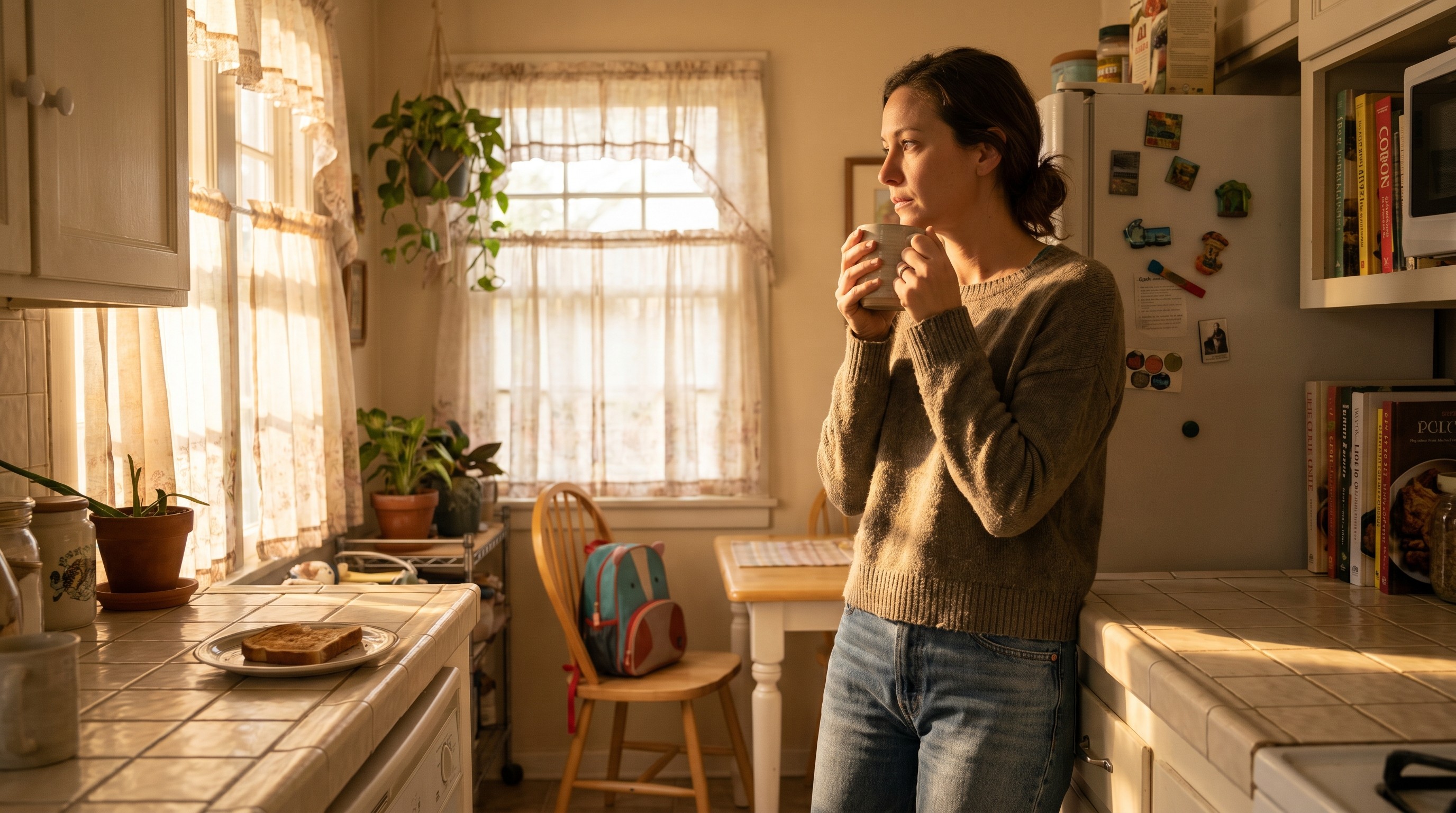
Morning jaw pain usually points to something happening while you sleep. The three most common causes are nighttime teeth grinding (sleep bruxism), a TMJ disorder, and sinus pressure or sleep position. If the pain fades within an hour of waking but returns most mornings, or you notice tooth wear, headaches, or jaw clicking, it's time for a dental exam.
At La Mirada One Dental, we hear this complaint a lot from patients driving in from the 5 freeway corridor. Gig workers, parents juggling two jobs, Biola students hitting finals week. The story is almost always the same: "I wake up, my jaw is sore, and by lunch I've forgotten about it." That pattern is a clue, and a useful one.
Let's walk through what's likely happening, and what you can do tonight.
What does it mean if your jaw hurts only in the morning?
Pain that shows up at sunrise and fades by mid-morning almost never starts in the morning. It starts overnight. Your jaw spent six or eight hours doing something it shouldn't, and you're feeling the aftermath.
Three culprits cover the vast majority of cases:
Sleep bruxism (clenching or grinding while you sleep)
TMJ disorder (a problem with the joint and muscles that move your jaw)
Sinus pressure or sleep position (referred pain or muscle strain)
A daytime exam can still catch nighttime problems. We look for wear patterns on your back teeth, tenderness in specific muscles, and how your bite lines up. Your jaw leaves evidence. We just have to read it.
Could you be grinding your teeth in your sleep?
Probably, if the symptoms fit. Sleep bruxism affects roughly 8 to 10 percent of adults, according to research published in peer-reviewed sleep medicine journals. And per the ADA, most people who grind at night have no idea they're doing it. A partner usually figures it out first.
Tell-tale signs we look for:
Flat or chipped edges on your teeth
Tooth sensitivity to cold or pressure
Dull headaches at the temples in the morning
A partner who hears grinding or clicking at night
Soreness in the muscles right under your cheekbones
Stress is the biggest amplifier. The NIDCR recognizes stress and anxiety as risk factors for bruxism, and we see the proof in our chairs every quarter. Tax season. Finals week at Biola. The weeks after a layoff. Caffeine late in the day, a glass of wine before bed, and certain medications also raise the odds.
That's why a dental exam matters. We can quantify wear over time.
Is it TMJ disorder instead?
TMJ disorders affect more than 10 million Americans, according to the National Institute of Dental and Craniofacial Research. The temporomandibular joint is the hinge in front of each ear, and when it's irritated, the symptoms feel different from grinding alone.
Clues it might be TMJ:
Clicking, popping, or grating when you open your mouth
Limited opening, or a jaw that catches partway
Pain that radiates to your ear, temple, or neck
Soreness when chewing, not just on waking
TMJ and bruxism overlap. Clenching can inflame the joint, and an irritated joint can make you clench more. But TMJ is a joint-and-muscle problem, not a tooth problem. The treatment path looks different.
When morning jaw pain isn't actually your jaw
Sometimes the jaw is the messenger, not the source.
Sinus infections create pressure in your upper molars and jaw. The roots of your top back teeth sit right against the maxillary sinus. If you've had a cold or allergies and the pain is mostly upper, sinuses are a strong suspect.
Sleep position matters more than people think. Sleeping hard on one side, especially with a hand or pillow pressing against your jaw, can strain the muscles for hours. We've had patients in Cerritos solve their morning pain with a different pillow. Simple as that.
Sleep apnea is the one we don't want to miss. Sleep bruxism is associated with sleep apnea in the dental and sleep medicine literature, and untreated apnea has health consequences far beyond jaw soreness. If you snore loudly, wake up gasping, or feel exhausted despite a full night's sleep, mention it to us. We'll help you figure out next steps.
What can you do tonight to feel better tomorrow?
Try these before you spend money on a guard or specialist:
Apply a warm compress to your jaw for 10 to 15 minutes before bed
Do gentle jaw stretches: open slowly, side to side, no force
Eat soft foods for a day or two. Skip gum, ice, jerky, and bagels
Cut caffeine and alcohol within four hours of bedtime
Manage stress before sleep. A short walk, a hot shower, ten minutes off your phone
Track when the pain happens. Note stressful days, late coffee, alcohol, sleep position
Bring those notes to your appointment. Patterns help us solve faster.
When should you see a dentist in La Mirada?
Book an exam if any of these apply:
Pain has lasted more than one or two weeks
Pain wakes you up at night
You see new tooth wear, chips, or flat spots
You have new sensitivity to cold or pressure
Your jaw locks, catches, or won't open fully
Headaches are becoming a regular morning event
Here's what an exam looks like at our La Mirada office. We check your bite. We map wear patterns on your back molars. We palpate the muscles around the joint and feel for clicks. We review your medical history and sleep habits. If grinding is the issue, we can fit a custom night guard that protects your teeth and reduces muscle strain. According to ADA clinical guidance, custom-fitted occlusal guards outperform over-the-counter boil-and-bite guards in fit and durability, which matters when you're wearing it 2,500 nights over a decade.
If TMJ or apnea is in play, we'll talk through referrals and next steps without rushing you into a guard you don't need.
We see families from La Mirada, Norwalk, Cerritos, Whittier, and the Biola University area, and we hold Saturday hours specifically for patients who can't break away during the week. You shouldn't have to choose between your shift and your sleep.
Frequently Asked Questions
Can stress really cause jaw pain?
Yes. The NIDCR lists stress and anxiety as recognized risk factors for bruxism, and clenching is one of the most common physical responses to stress. We see jaw pain spike during finals week, tax season, and major life changes. Managing stress doesn't always cure grinding, but it almost always reduces it.
Are over-the-counter night guards as good as custom ones?
Not really. Boil-and-bite guards from the drugstore are better than nothing if you're in a pinch, but they're bulky, don't fit precisely, and wear out fast. Custom guards from your dentist are thinner, balanced to your bite, and last years longer. For nightly use, the custom version pays off.
How much does a custom night guard cost?
It varies based on the type of guard and your insurance. Many PPO plans cover a portion. We also offer an in-house membership plan that includes discounts on services like night guards for patients without traditional insurance. Call (562) 777-1234 and we'll give you a clear estimate before any work begins.
Will my jaw pain go away on its own?
Sometimes. Mild pain from sleep position or a stressful week often fades within days. But pain lasting more than a couple of weeks, or pain with tooth wear, clicking, or headaches, usually doesn't resolve without intervention. Catching it early prevents bigger problems like cracked teeth or chronic TMJ flare-ups.
Can grinding damage dental implants or veneers?
Yes, and this is a big reason we screen for bruxism before cosmetic or implant work. Unchecked grinding can chip veneers and stress the bone around implants. If you've invested in cosmetic dentistry or implants, a night guard is cheap insurance.
If your jaw is sore most mornings, let's figure out why. Call La Mirada One Dental at (562) 777-1234 or book online. We're at 14930 E Imperial Hwy, Suite D, with Saturday appointments for working families.