Teeth Whitening at Home vs. Professional: What Actually Delivers Results
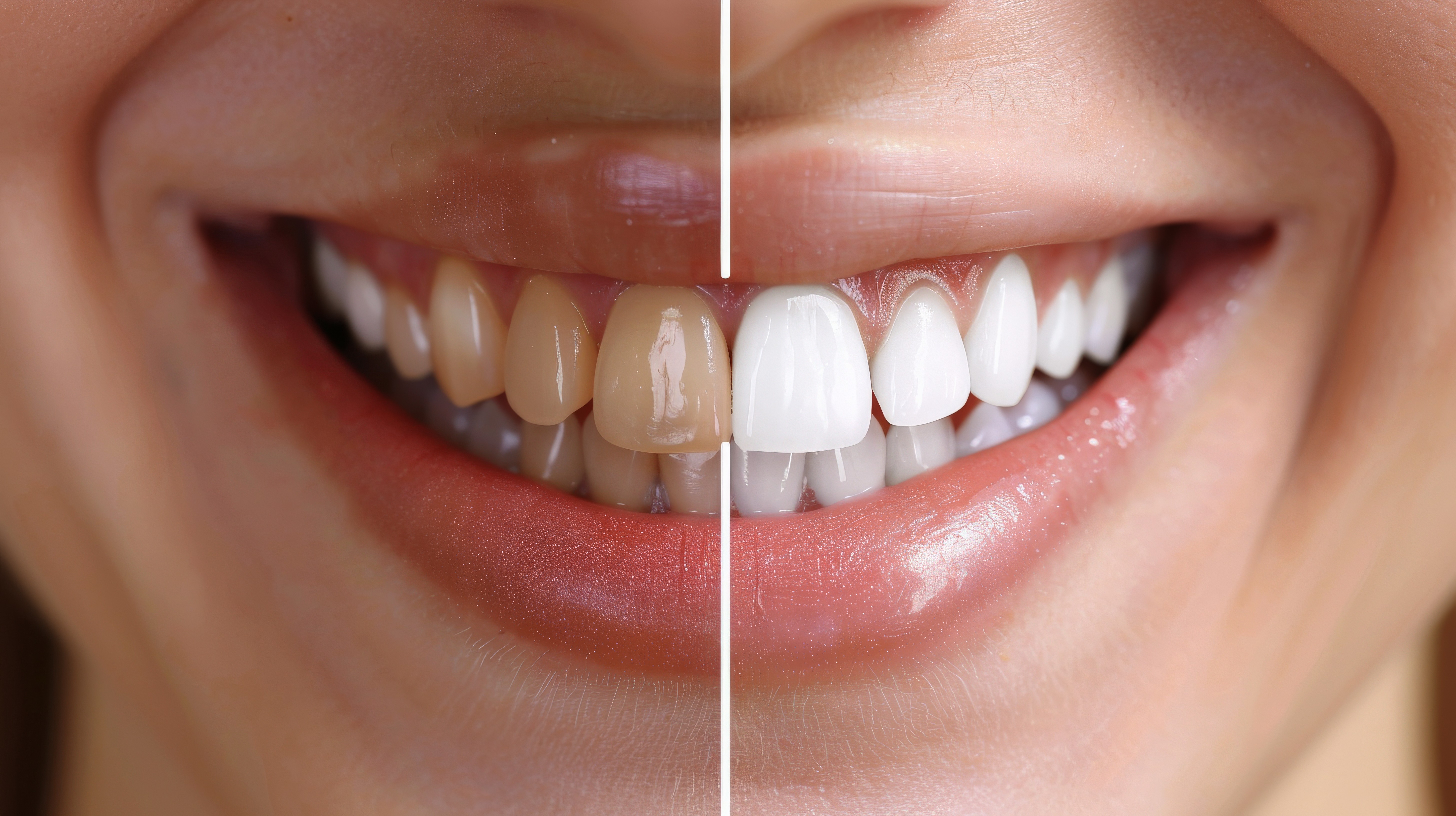
A brighter smile sounds simple—until you’re standing in the toothpaste aisle trying to decode words like “enamel-safe,” “advanced whitening,” and “instant.” Here’s the reality: whitening does work, but different methods work for different types of stains—and different comfort levels. If you choose the wrong method, you can waste money, irritate your gums, and still feel stuck with the same shade.
At-home whitening is best for people with mild staining who don’t mind a slower timeline. Whitening strips are the most common option, and when used exactly as directed, they can brighten teeth gradually. Whitening toothpaste can help maintain results or reduce surface stain, but it usually won’t dramatically change the overall shade. If you’re looking for a noticeable shift, most people eventually want something stronger and more controlled.
That’s where professional whitening stands out. The biggest benefit isn’t just “stronger gel”—it’s supervision and precision. Your gums are protected, treatment is monitored, and your dentist can adjust the plan if you’re sensitive. La Mirada One Dental explains what professional whitening can do on their Teeth Whitening page.
If you’ve avoided whitening because you’re worried it will hurt, you’re not alone. Most people don’t experience true pain—more like temporary sensitivity to cold or air. The good news is there are ways to minimize it: desensitizing toothpaste beforehand, shorter sessions, and avoiding overly aggressive at-home schedules. For a helpful walkthrough of what “normal” feels like and what to expect after treatment, their team covers it in Does Getting Teeth Whitening Hurt?.
One detail that matters (and often gets missed): whitening doesn’t change existing dental work. If you have bonding, crowns, or veneers on a front tooth, whitening the natural teeth can make that dental work look darker by comparison. In those situations, whitening may still be part of the plan—it just needs to be timed correctly. Some patients whiten first and then consider cosmetic options like Veneers or a smaller fix such as Teeth Bonding to keep everything looking seamless.
If you want the quickest shortcut to the right choice, don’t start with a product—start with a quick evaluation. A dentist can tell you whether you’re dealing with surface stain (whitening-friendly) or deeper discoloration that may respond better to a cosmetic approach. And if you like to do homework first, La Mirada One Dental’s blog post The Truth About Teeth Whitening: What Really Works is a solid overview of what’s worth your time (and what to skip).