Gold Restorations vs. Modern Bonding: Which Is Right for You in La Mirada
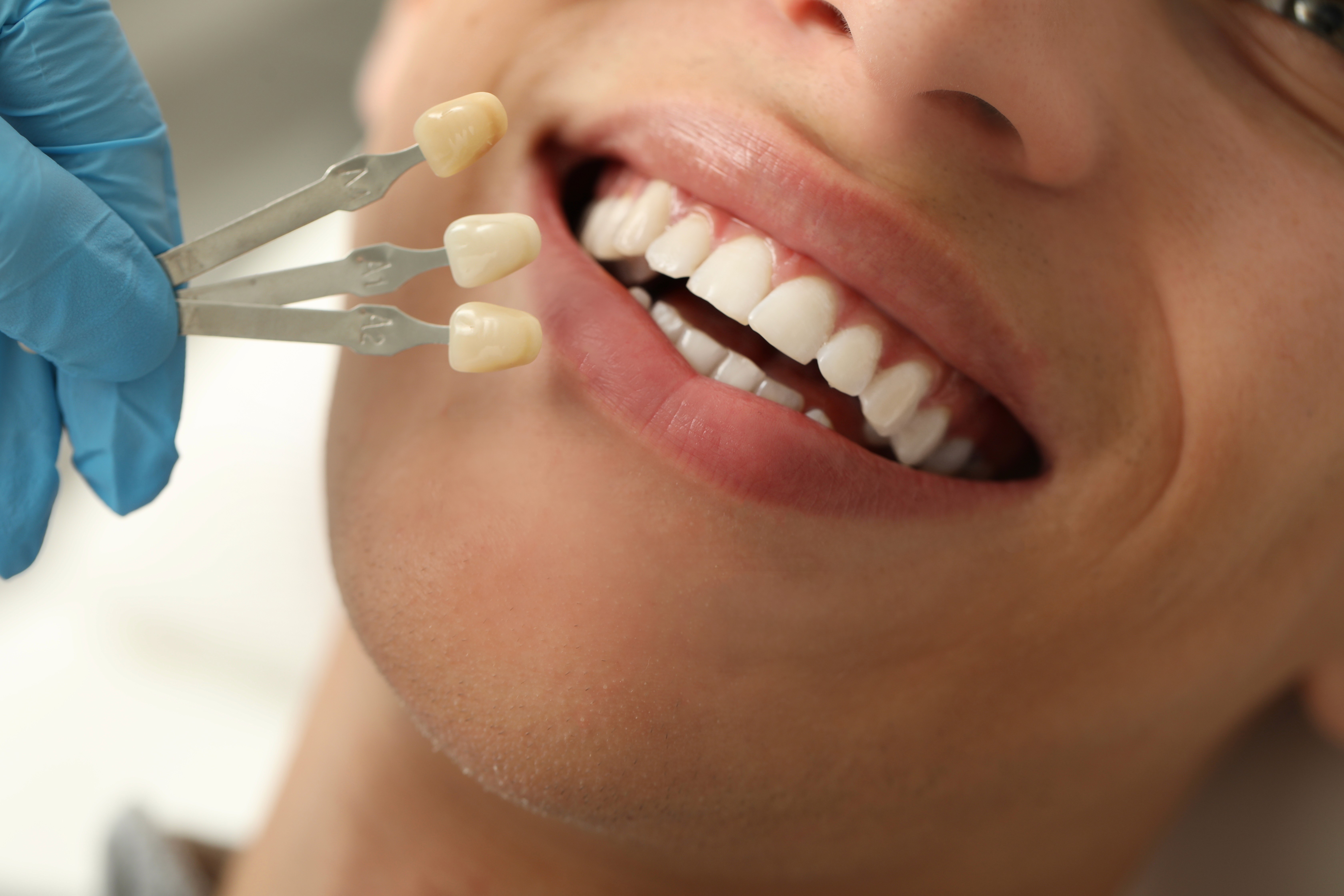
Gold Restorations vs. Modern Bonding: Which Is Right for You in La Mirada
When you need a restoration to repair a damaged tooth, you have choices — and at La Mirada One Dental, we pride ourselves on offering both time-tested and cutting-edge solutions. Dr. Park is particularly known for blending old-school and modern techniques, offering patients traditional gold restorations alongside contemporary biomimetic bonding. This isn't about one being "better" — it's about choosing the right restoration for your tooth, your budget, and your priorities.
Let's walk through both options so you can understand what makes each valuable.
The Case for Gold Restorations: Why Dentists Still Choose Them
Gold restorations have been used in dentistry for over a century — and they're still around because they work. Here's why gold remains a gold standard (pun intended) for many restorations:
Unmatched Longevity Gold restorations routinely last 20–30+ years. Some patients have the same gold crown or inlay that their previous dentist placed in the 1980s or 1990s. Compare that to tooth-colored restorations, which typically last 10–15 years before replacement becomes necessary.
Biocompatible and Gentle on Opposing Teeth Gold is soft and kind to your natural tooth structure. When you bite down on a gold restoration, it doesn't create the wear and tear that harder materials (like porcelain) can. If you have natural teeth on the opposite arch, gold is actually gentler to them over decades of biting.
Precise Margins and Fit Gold can be cast to incredibly tight tolerances, creating margins (edges) that fit tooth structure almost perfectly. This means minimal gaps where bacteria can hide, and better long-term health of the underlying tooth.
Excellent for Complex Cases When a tooth has significant damage, unusual angles, or complex geometry, gold's malleability allows the dentist to create a perfect fit. Modern materials are good — but gold is still the gold standard for difficult anatomy.
Visible Sign of Quality If someone looks at your mouth and sees a gold restoration, they know you invested in quality. It signals precision and durability — though this is obviously only a benefit if visibility doesn't bother you.
The downside? Gold is visible. If you need a restoration on a front tooth and you care about aesthetics, gold usually isn't chosen.
Modern Biomimetic Bonding: Precision Meets Aesthetics
Biomimetic dentistry is a newer philosophy (though the techniques have been refined over 20+ years). The word "biomimetic" means "copying life" — and the goal is to restore teeth in a way that mimics the natural structure and function of healthy tooth anatomy.
Aesthetically Seamless Biomimetic restorations are tooth-colored and blend invisibly with your natural smile. On front teeth, this is often the first choice because no one will see the restoration — they'll just see your smile.
Conservative Material Use Biomimetic restorations often require less tooth removal than gold or porcelain restorations. We remove only the decay and damaged portion, then bond composite material directly to the tooth. This preserves more of your natural tooth structure.
Flexibility and Resilience Composite materials have some flexibility — they can absorb bite force rather than transmitting it rigidly. This can actually reduce the shock load on the tooth and underlying nerve, beneficial for sensitive teeth.
Excellent Marginal Fit When placed by a skilled dentist (like Dr. Park), modern composites bond tightly to tooth structure, creating minimal gaps for bacterial invasion. The margins seal well and stay sealed.
Repairability If a composite restoration chips or wears, we can often repair it by adding more material — no need to replace the entire restoration. With gold, replacement is often necessary.
Cost-Effectiveness Biomimetic bonded restorations typically cost less than gold or porcelain, making them accessible for more patients.
The tradeoff? Composites typically last 10–15 years before needing replacement (though with excellent care, some last longer). They're also slightly more technique-sensitive — the quality depends heavily on the dentist's skill.
How to Choose: Five Questions to Ask Yourself
At La Mirada One Dental, we help you navigate this choice by asking:
1. Where is the tooth? Front teeth? Biomimetic bonding is often ideal. Back teeth? Gold may be superior for durability.
2. How visible is the restoration? If you can see it when you smile or talk, aesthetics matter. If it's on a molar no one will ever see, gold's longevity becomes the priority.
3. How long do you want this restoration to last? If you're planning to stay in your home for 30+ years, gold's decades-long lifespan is attractive. If you move frequently or expect other dental changes, the shorter lifespan of composite may not matter.
4. What's your budget? Composites are typically $200–400 less expensive than gold. For some patients, this makes the decision clear.
5. How much of the tooth is damaged? If damage is extensive, gold or porcelain (inlay/onlay) creates a stronger restoration. For moderate damage, composite bonding is often sufficient.
Dr. Park's Philosophy: Right Tool for the Right Tooth
Dr. Park's unique strength is that he's equally skilled with both approaches. He won't steer you toward one because it's easier or more profitable — he'll recommend the restoration that's genuinely best for your tooth and your life.
He might say:
"This molar takes heavy biting force and you're going to be here 20 years — let's do gold so you never have to replace it again."
"This front tooth needs to look perfect and natural — biomimetic bonding will be invisible, and you can replace it in 12 years if you want."
"Your decay is deep and the structure is compromised — we should go with an inlay so this restoration is as strong as possible."
This flexibility — rooted in genuine expertise with both old and new techniques — is what sets La Mirada One Dental apart in the diverse, working-class community we serve.
Your Personalized Restoration Plan
If you need a restoration, the first step is a consultation where we assess your tooth, discuss your priorities, and explain what each approach would look like for your specific situation. You'll understand the cost, longevity, maintenance, and aesthetic outcomes before deciding.
At La Mirada One Dental, we're not trying to upsell you. We're trying to set you up for success — which means choosing the restoration that's genuinely right for you.
Schedule your restoration consultation today. Call (562) 777-1234 or visit us at 14930 E. Imperial Hwy, Suite D, La Mirada. We're open Tue–Thu 9 AM–6 PM, Fri 8 AM–4 PM, and Sat 8 AM–1 PM by appointment. Ask for Dr. Park if you want to discuss gold or biomimetic options in depth.
Because your smile is personal — and your restoration should be too.
La Mirada One Dental 14930 E. Imperial Hwy, Suite D La Mirada, CA 90638 (562) 777-1234 Dr. Sung Wook Park (DDS).