Why Does My Tooth Hurt Only When I Bite Down?
If your tooth only hurts when you bite down, the most likely causes are a cracked tooth, a filling or crown that sits too high, a loose restoration, or an early abscess. Pain that sharpens on the release of biting pressure especially suggests a cracked tooth. Have it evaluated quickly. Small cracks worsen with continued chewing.
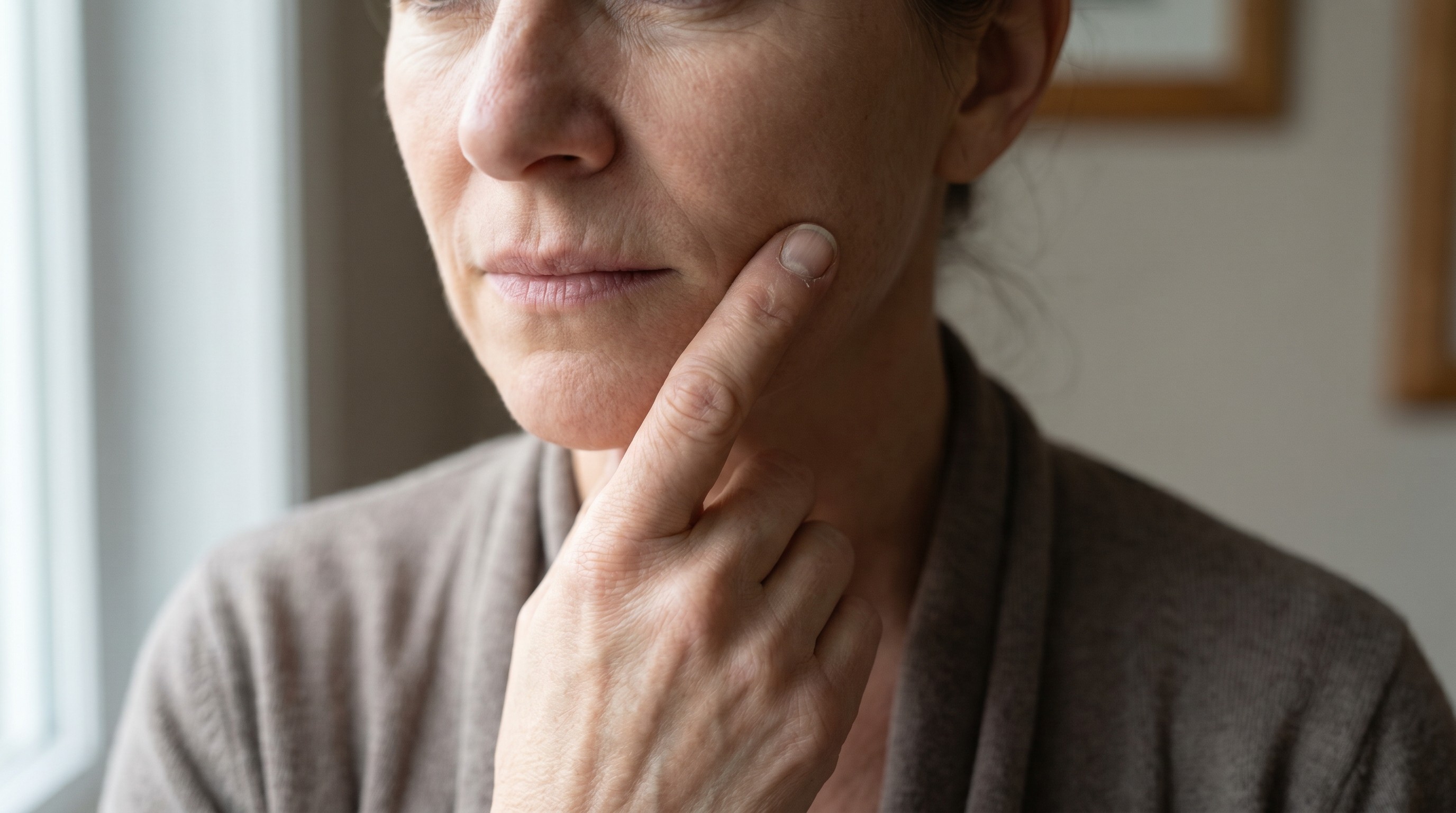
If your tooth only hurts when you bite down, the most likely causes are a cracked tooth, a filling or crown that sits too high, a loose restoration, or an early abscess. Pain that sharpens on the release of biting pressure especially suggests a cracked tooth. Have it evaluated quickly. Small cracks worsen with continued chewing.
This kind of pain confuses people. The tooth feels fine all day, then one bite into a sandwich sends a jolt through your jaw. At La Mirada One Dental, we hear this exact story almost every week, often from parents and working adults who have been ignoring it for a month. The good news? When biting pain is the only symptom, treatment is usually simpler than people fear.
What does it mean when a tooth only hurts when you bite?
Pressure-triggered pain is its own category. It is different from a tooth that aches at night, throbs on its own, or stings with ice water. When pain shows up only under bite force and disappears the moment you open, the issue is almost always mechanical or structural.
The pain is usually sharp and quick. A flash, not a throb. Some patients describe it as an electric zing on a single cusp. Others say it only happens with certain foods, like crusty bread or a popcorn kernel. That specificity is a clue.
Decay alone rarely causes this pattern. Cavities tend to hurt with sweets or cold first. Bite pain points us toward a crack, a high spot, or a restoration that is moving.
Common causes of pain when biting down
There are six usual suspects. Sometimes more than one is in play.
Cracked tooth syndrome. Hairline fractures flex open under chewing load and close when you release. According to the American Association of Endodontists, this typically presents as sharp pain on biting and sometimes on release of biting pressure, often without any visible decay on X-rays.
A high filling or crown. Per the ADA's Mouth Healthy guidance, a newly placed restoration that sits even slightly high on the bite can cause pressure pain and should be adjusted by the dentist. Often a two-minute fix.
A loose or failing restoration. An old filling that has lost its seal can rock under force, irritating the tooth underneath.
An early abscess. Infection at the root tip creates apical pressure sensitivity. The tooth feels tall or sore to tap.
A cavity undermining a cusp. When decay hollows out the structure under a chewing surface, the cusp flexes and hurts.
Sinus pressure. The NIDCR notes that upper molar pain can sometimes originate from maxillary sinus inflammation rather than the tooth itself. If you have a cold and three upper teeth ache together, that is your hint.
How to tell what is causing your bite pain at home
You can do a rough self-test before you even call. Roll up a cotton swab or a piece of soft gauze. Bite gently on one tooth at a time, then release. Note which tooth reacts and which cusp.
A few patterns to listen for:
Pain on release. Classic crack signal. The fractured segment springs back and pinches the nerve.
Pain with hot or cold AND biting. The pulp is likely inflamed. This raises the chance you will need a root canal.
New filling or crown within the last two weeks. Probably a high spot. Call us for a quick bite adjustment.
Swelling, a bump on the gum, or a bad taste. That is an abscess. Do not wait.
Tooth feels longer than the others. Apical inflammation. Get in soon.
Write down what you noticed. When you call, those details help us triage faster.
When biting pain becomes a dental emergency
Most bite pain is urgent but not a same-hour emergency. A few situations push it into emergency territory:
Swelling of the face, gum, or jaw
Fever or pus drainage
Pain that wakes you at night or has lasted more than a few days
A visible crack you can feel with your tongue or fingernail
The tooth feels loose or shifted
The CDC and ADA are both clear that untreated dental abscesses can spread infection to surrounding tissues and require prompt evaluation. If you are seeing swelling, do not push through the weekend. Call.
A dad from Cerritos came in on a Saturday last fall after two weeks of ignoring sharp pain on his lower right molar during his drive down Imperial Highway to work. By the time he sat in our chair, the tooth had a vertical crack running into the root. Caught a month earlier, it would have been a crown. By that Saturday, it needed a root canal and a crown. That delay is the pattern we see most.
What treatment looks like at La Mirada One Dental
Diagnosing bite pain is detective work. Dr. Park walks through it step by step.
First, a targeted bite test on each cusp using a special tool called a Tooth Slooth. Then transillumination, where we shine a bright light through the tooth to spot fracture lines. If the picture is still unclear, we use CBCT 3D imaging. Per the Journal of Endodontics, cone-beam CT can help detect cracks and periapical lesions that do not show up on standard X-rays.
Treatment depends on what we find:
High filling or crown. A bite adjustment, often less than ten minutes.
Cracked tooth. A crown to wrap the tooth and stop the flex before it splits.
Pulp involvement. A root canal followed by a crown.
Failing restoration or undermining decay. Replace the filling or place a new crown.
Vertical root fracture. Sometimes extraction and an implant are the only option.
For new patients, our emergency exam is free. We hold Saturday appointments specifically for working families across La Mirada, Norwalk, Whittier, and the Biola University area who cannot break away during the week. The earlier we look, the smaller the fix.
The earlier we look, the smaller the fix.
Frequently Asked Questions
Can a cracked tooth heal on its own?
No. Teeth do not regenerate enamel or dentin, so a crack will not seal itself. Continued chewing flexes the crack open, often driving it deeper toward the pulp or root. The goal of treatment is to stabilize the tooth (usually with a crown) before the crack reaches a point where the tooth cannot be saved.
Why does my tooth hurt more when I let go of the bite than when I press?
Pain on release is the textbook sign of cracked tooth syndrome. When you bite, the fractured segments separate slightly. When you release, they snap back together and pinch the nerve fibers and fluid inside the tooth. That rebound is what causes the sharp zing.
Is it safe to keep chewing on the other side until I get in?Short term, yes. Switching to the opposite side reduces force on the suspect tooth and buys you a few days. Avoid hard, crunchy, or sticky foods entirely. Just do not use this as a long-term strategy. Cracks grow with every chewing cycle, even gentle ones.
How urgent is biting pain if there is no swelling?
Urgent within days, not hours. Without swelling, fever, or pus, you are not in a same-day emergency. But biting pain almost always points to a structural problem that gets worse with delay. Aim to be seen within a week.
Will a night guard help bite pain from grinding?
A night guard can protect teeth from future cracks caused by grinding, and it can take pressure off a tooth that is already irritated from clenching. It will not heal an existing crack, fix a high filling, or treat an abscess. Think of it as prevention and support, not a cure.
If you are noticing pain only when you bite, call La Mirada One Dental at (562) 777-1234 or book online. We are at 14930 E Imperial Hwy, Suite D, and Saturday appointments are available for patients commuting from Cerritos, Norwalk, Whittier, and along the Interstate 5 corridor.